Roof Replacement
Full tear-off and asphalt re-roof — deck inspection, new underlayment, ventilation corrected, and the old roof hauled away. Typically $8,000–$20,000 depending on size, pitch and layers.
Serving the Cowichan Valley Regional District
We handle asphalt re-roofs, repairs, metal roofing and moss control across Duncan, North Cowichan and the Cowichan Valley, providing a written quote after our on-site assessment.
WorkSafeBC coverage
Active coverage, verifiable before work begins.
Liability insured
Commercial general liability on every job.
Cowichan Valley coverage
From Duncan and North Cowichan out to Lake Cowichan, Cowichan Bay, Chemainus, Crofton, Maple Bay and the rural valley beyond.
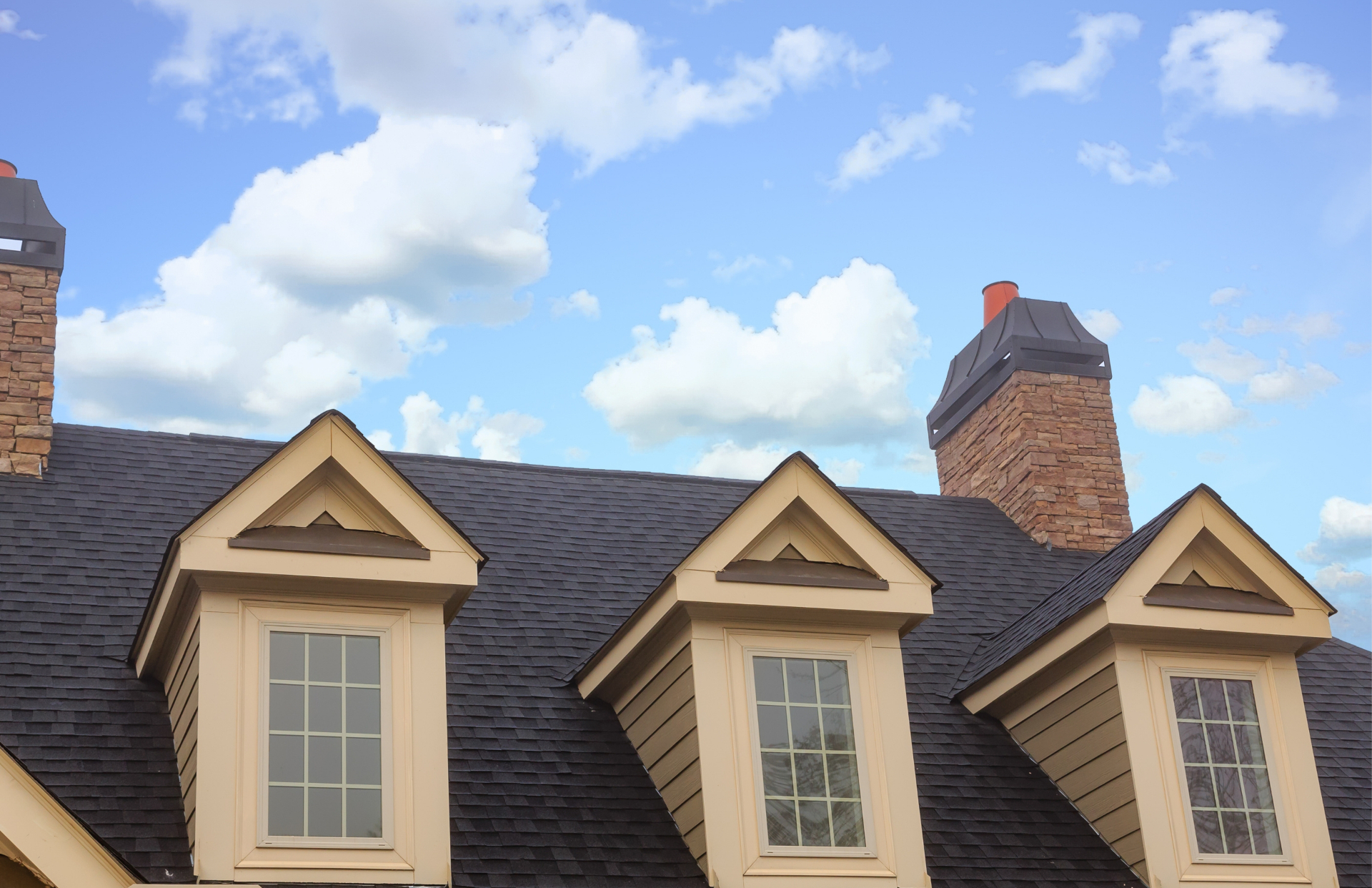
Cowichan Roofing is a local roofing company doing roof replacement, roof repair, metal roofing, moss treatment and commercial roofing across Duncan, North Cowichan and the Cowichan Valley. In our climate, Duncan gets roughly 1,350 mm of rain a year—about double Victoria's 705 mm—so moss, failed flashing and worn underlay cause most local roof failures rather than snow load. We replace a typical asphalt roof for $8,000 to $20,000, with metal systems running higher. In North Cowichan, your re-roof is exempt from a building permit unless we repair structural framing or replace or upgrade your insulation.
What we do
We handle six main roofing jobs for your home: full asphalt replacement, targeted repair, metal systems, low-slope membrane, gutters and flashing, and regular maintenance. We start every job with an on-site assessment and a clear written scope.
Full tear-off and asphalt re-roof — deck inspection, new underlayment, ventilation corrected, and the old roof hauled away. Typically $8,000–$20,000 depending on size, pitch and layers.
Leaks traced to the actual source: flashing at chimneys and skylights, blocked valleys, lifted or missing shingles, and storm damage. Most repairs run $500–$3,000.
We install standing-seam and metal panel systems that shed rain and last 40 to 70 years on exposed or hard-to-access roofs.
We handle moss treatment, gutter and valley clearing, sealant renewal and roof washing so your roof reaches its full rated life.
Cedar shake and shingle roofs, installed and maintained for Cowichan rain. Typically $28,000–$60,000 depending on size and coverage.
Torch-on SBS and membrane work on additions, carports and low-pitch sections, where standing water and seam detail matter more than shingle choice.
The parts that cause most leaks — gutter capacity for 200 mm rainfall months, flashing at every penetration, and intake and exhaust venting that keeps a deck dry.
3-Step Local Quoting Process
We walk your roof and check the attic where we can get in. We inspect the deck, venting, flashing, moss and remaining shingle life, and we photograph everything we find.
We give you a written scope that names the materials, underlayment and venting, states what comes off, and details any variables that could move the price.
We schedule your work into a dry weather window, and before we leave we sweep your site and run a magnet over the ground for nails.
Every project on your roof begins with careful preparation. We lay down heavy tarps to protect your driveway, decks, and garden beds before any material moves. Our crew removes the old roofing layers down to the wood deck. We inspect the plywood or shiplap for rot or water damage. Damaged boards are replaced to ensure a solid substrate. We install synthetic underlayment across the entire surface. Self-adhering ice-and-water membrane protects eaves, valleys, and vulnerable seams. New metal flashings go around chimneys, vents, and walls. We fit high-capacity roof vents to balance attic airflow. After the new surface is installed, we pick up all debris and run a magnetic sweep for nails.
We carry WorkSafeBC coverage and commercial general liability insurance on every job. We pull any required permit for your project.
Our crew arrives early in the morning on your street. We park trucks and trailers clear of your main driveway where possible. Ground protection goes down immediately around the perimeter of your house. We set up ladders and safety gear according to strict standards. The crew begins stripping off old shingles and dropping debris into lined dump trailers. We clear the roof deck and check for soft wood. Any decayed sheathing is cut out and replaced immediately. New underlayment and drip edge go down to keep the deck dry. We install the new roofing material course by course. Before leaving for the day, we clear all walkways, rake garden beds, and run magnets over lawn areas to secure your property.
The timeline for your roof depends on roof size, pitch, and structural complexity. Simple gable roofs with single-layer tear-offs move quickly from start to finish. Steep slopes, multiple dormers, and cut-up valleys require extra care and handling time. We monitor local weather forecasts constantly before setting our schedule. Our team picks clear weather windows to ensure your home stays fully sealed during construction. If rain approaches unexpectedly, we apply waterproof tarps over any exposed decking. Large homes or intricate layouts naturally require additional crew hours. We focus on steady, continuous work once the project starts. Our crew stays on site until the final magnet sweep and debris removal are completely finished.
Free, no-obligation quote
Send the roof details and get a written quote back, after an on-site assessment of the roof.
Local, on Vancouver Island
We build and repair roofs to stand up to heavy rain across Vancouver Island. Duncan gets roughly 1,350 mm of rain a year—about double Victoria's 705 mm—and November alone brings over 200 mm of water to your roof. Sustained rain wears on your roof differently than snow load. Shaded north slopes stay damp for weeks, while overhanging Douglas fir and cedar trees drop needles into your valleys and gutters.
Moss lifts shingle edges and holds water against the mat. Debris blocks a valley, and water backs up under the course above it. Flashing at a chimney or skylight opens a few millimetres and a ceiling stain shows up two rooms away. Roofs on acreages toward Sahtlam, Glenora and Lake Cowichan sit under heavier tree cover again, and the maintenance interval there is shorter than in town.
We build every roof to that reality: ventilation and underlayment specified for sustained wet, valleys and flashing detailed properly, and moss treated on a regular schedule instead of left until it costs a full re-roof.
Frequently asked
Usually not. A straight re-roof or cladding swap is exempt in North Cowichan as long as nothing structural needs fixing and the insulation isn't being touched. Duncan and the CVRD electoral areas each set their own rules, so a Duncan mailing address doesn't settle it. If the job changes the structure, adds new sheathing, or is part of a bigger addition, treat it as permit work. We check which authority your address falls under and confirm the permit position before we scope the job, so it's sorted before the crew shows up.
A typical Cowichan Valley home runs $8,000 to $20,000 for a full asphalt shingle re-roof — call it $4 to $9 a square foot installed. Metal costs more, commonly $18,000 to $45,000 or higher depending on profile and complexity, and a targeted repair usually lands between $500 and $3,000. What actually moves the price is roof size, pitch, how many layers are already up there, deck condition and access, so we measure the roof and the property in person before putting a real figure on it.
Asphalt shingles are rated for roughly 15 to 30 years, and metal systems for 40 to 70. On the coast the low end of that asphalt range is common, because sustained rain, shade and moss shorten service life well before the shingle itself wears out. A roof we treat for moss and clear on a regular schedule lasts longer.
Duncan takes in about 1,350 mm of precipitation a year, compared to 705 mm in Victoria and 1,165 mm in Nanaimo, with most of it falling between November and January. Combine that with tree cover from Douglas fir and cedar and shaded north-facing slopes, and roofs stay damp long enough for moss to establish. Moss holds water against the shingle mat and lifts the edges. When water gets under a lifted shingle tab, you have an active roof leak.
Metal sheds water fast, does not host moss the way an asphalt mat does, and carries a 40 to 70 year service life against 15 to 30 for shingles. The trade-off is upfront cost — typically two to three times an asphalt re-roof — plus detailing at penetrations and valleys that has to be right. Metal makes the most sense on roofs that are exposed, steep, heavily treed, or awkward to access for maintenance.
We put two essential items in writing before we start work on your roof: active WorkSafeBC coverage and commercial general liability insurance. We carry both and can show you proof before work starts.